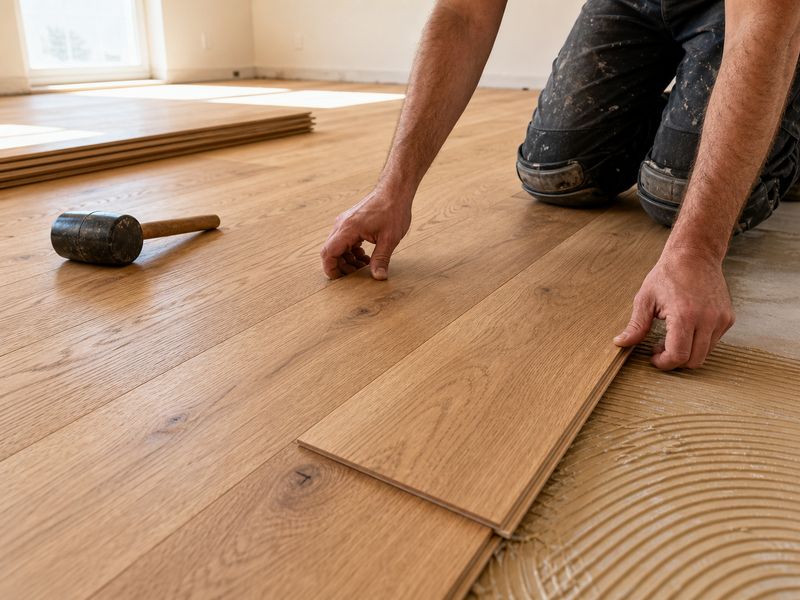
Most patio regrets are planning regrets, not building regrets. Get the surfaces, shade, storage and lighting right at the drawing stage and your backyard becomes the room your household gravitates to — in spring, through summer and well into the cooler months.
Start with how you want to use the space
Before pavers are chosen or a pergola is sketched, describe a typical week outdoors. Is the patio a morning coffee spot that catches the early sun, a shaded afternoon retreat, a place where children spread out with chalk and bikes, or the setting for long dinners with friends? These routines decide the shape of the space far more than any catalogue does.
Most great patios are really two or three small zones stitched together: a sheltered seating area for conversation, a table zone for meals, and a flexible strip for cooking, play or a fire pit. Overlapping them slightly keeps the space feeling generous, while the surfaces and lighting quietly separate one zone from the next.
Write down what you want before you look at materials. A plan that answers real routines is much harder to regret than one built around a photograph.
Get the surface and drainage right first
Drainage is the least glamorous decision on the list, and the one most likely to cause expensive trouble if it is rushed. Water must move away from the house, away from the patio edges and into somewhere it can soak away or be carried off. A slight fall across the paving does that invisibly when the base has been prepared properly.
Pavers, poured concrete, porcelain tiles and timber decking all behave differently. Pavers can be lifted and relaid if a drain needs attention later. Concrete gives a clean, continuous surface that can be scored or exposed-aggregate finished. Porcelain stays cool and resists staining but needs a rigid base. Decking feels warm underfoot and handles level changes well, in exchange for more seasonal upkeep.
Whichever you choose, the base matters more than the finish. Compacted, well-drained sub-base, correct jointing and proper edge restraints are what keep a patio flat and stable through wet winters and hot summers.
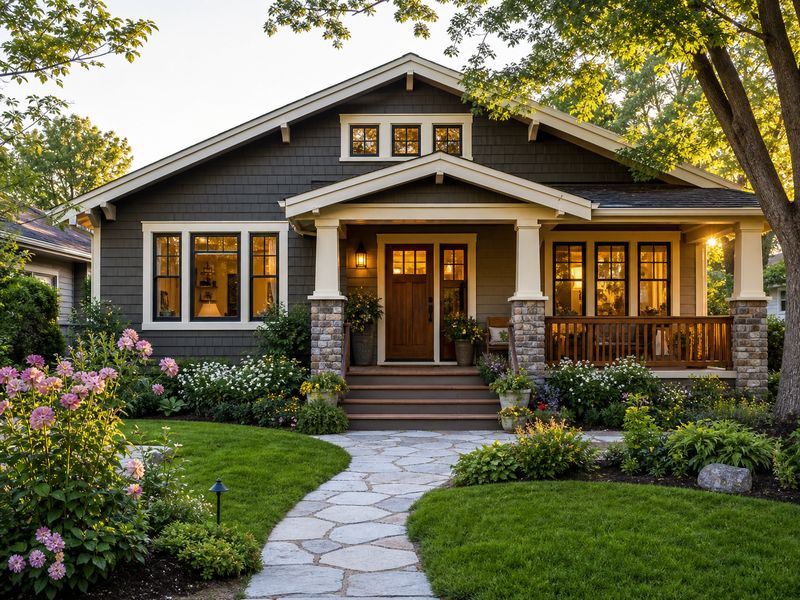
Plan shade for the shoulder seasons
Sun is welcome in spring and autumn, less so at midday in high summer. A pergola with a louvred or retractable cover gives you control that a fixed roof cannot, letting light in during cooler months and blocking it when the heat peaks. A well-placed awning offers similar flexibility at lower cost.
Think about wind as well as sun. A screen planted or built along the prevailing wind side makes an outdoor room usable on far more evenings. Trees planted to the south and west will eventually do the shading for free, provided they are positioned so roots and leaf drop do not become a nuisance over paving.
Shelter is what turns a seasonal patio into a year-round room. Decide early whether you want a permanent roof, a retractable cover or a simple sail, because each affects footings, wiring and how the space is framed.
Lighting is what turns a patio into a room
Outdoor lighting works in layers, exactly as it does indoors. Soft ambient light from festoon strings, wall lanterns or uplighting trees sets the mood. Task light over a grill, a prep counter or a table makes the space workable after sunset. Low step lights and path markers keep everyone safe without glare.
Warm, dimmable lamps almost always look better outside than bright white ones, which flatten planting and make people squint. Wiring should be planned before surfaces are finished — outdoor-rated sockets, a switched supply and a weatherproof fitting take minutes to install at the right moment and are disruptive afterwards.
Add a timer or smart control and the patio will light itself as you step outside, which is when most households discover they use the space far more than they expected.
Plant around the patio, not against it
Planting softens hard surfaces and screens neighbouring windows, but it needs room to grow without crowding furniture or lifting paving. Keep larger shrubs and trees back from the edges, choose varieties with non-invasive roots, and repeat a small palette of leaf shapes and colours rather than collecting one of everything.
Raised beds and deep pots give height and structure where the ground cannot be dug. Drip irrigation on a simple timer keeps everything alive through dry spells and costs far less than replacing plants each season.
A mulched border also reduces weeding and holds moisture, which means more evenings spent sitting on the patio and fewer spent maintaining it.
The small decisions that make it effortless
Comfort details are what separate a patio that gets used from one that gets admired. Water and power points near the cooking zone, a weatherproof storage bench for cushions and tools, and a place to park trays and cool boxes all reduce the friction of getting outside.
If a fire pit, outdoor kitchen or heater is on your wish list, rough it in during the build. Gas lines, sockets and a level base are simple to add before paving and awkward afterwards.
Cushions and textiles designed for outdoor use look good for years if they can be stored dry, so plan storage at the same time as the seating.
A short checklist before you approve any patio quotation
- Where does rainwater go, and can you see the fall in the drawings?
- Is the sub-base depth and compaction specified, or left to the installer's judgement?
- Are edge restraints included so the paving cannot spread?
- Which parts are removable if a drain or cable ever needs attention?
- Is the lighting and power plan included, or a later extra?
A patio is one of the few renovations that pays you back in evenings rather than resale value alone. When the surface, the shelter, the lighting and the planting are planned together, the space simply gets used — on school nights, at weekends and through more of the year than you first imagined.
Bring us your rough sketch, your photographs or just the way your household spends its weekends. We will help you turn that into a plan that suits the garden you already have.